Factories struggle with heavy material movement, rising labor costs, and safety risks. I understand these challenges, and electric transfer carts provide a smarter solution.
Electric transfer carts improve industrial material handling by using electric drive technology to move heavy loads safely, efficiently, and economically. With strong load capacity, flexible operation, and low maintenance requirements, it helps factories, warehouses, and construction sites reduce labor costs while increasing productivity.
Choosing the right equipment requires understanding features, applications, safety, and supplier reliability before making a purchase decision.
What Is an Electric Transfer Cart and How Does It Work?
When companies handle heavy materials every day, traditional transportation methods often cannot meet modern production demands. I have seen many industries search for safer and more efficient solutions.
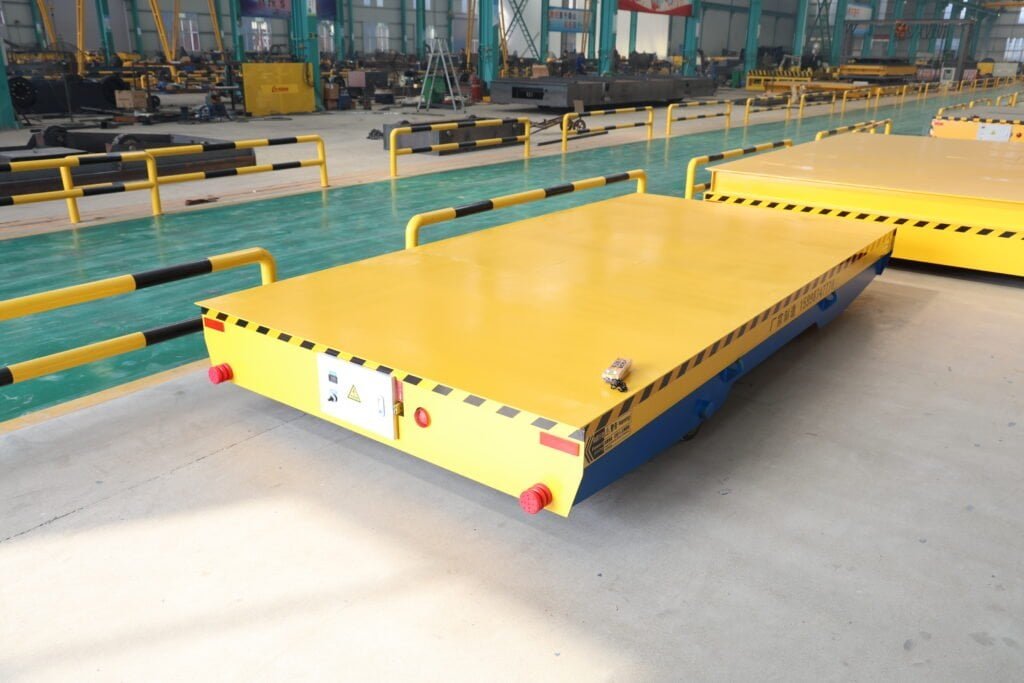
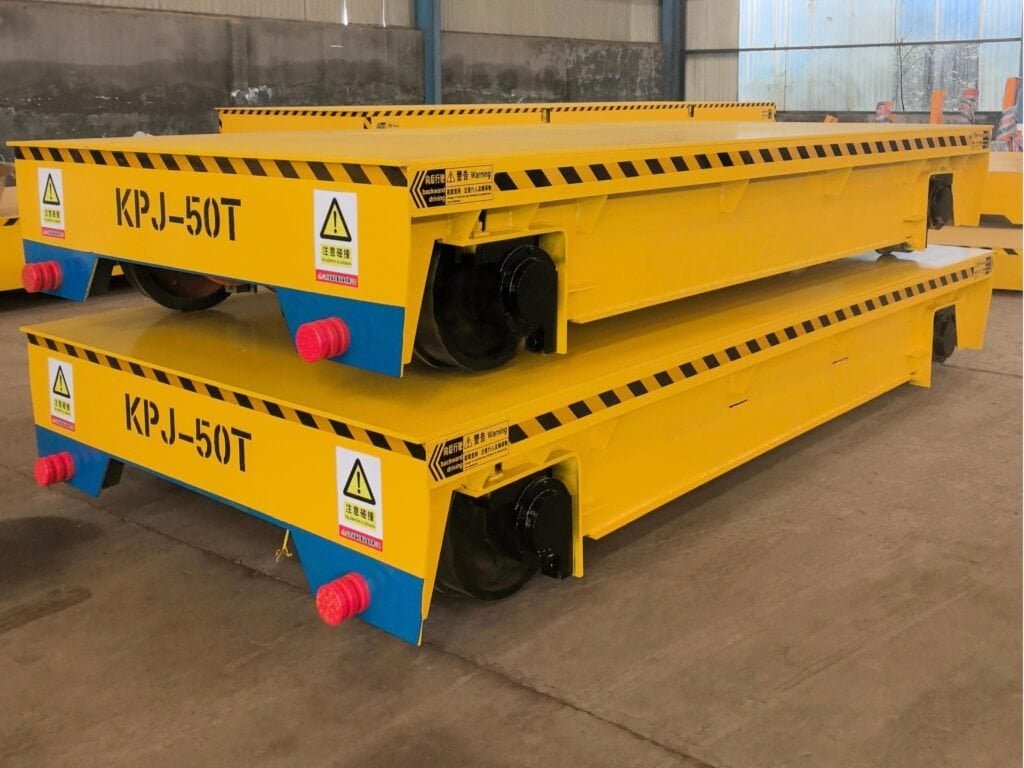
An electric transfer cart is an electrically powered transportation vehicle designed to move heavy loads across industrial facilities. It uses batteries, rails, or advanced control systems to provide stable movement and reliable performance for factories, warehouses, and construction areas.
The working principle of an electric transfer cart is simple but effective. The equipment uses an electric motor system to provide driving power, allowing operators to transport heavy materials with less manual effort. Depending on the working environment, customers can choose different designs. A rail-based model moves along fixed tracks, while a trackless electric transfer cart provides greater flexibility because it can travel freely on factory floors.
Many industries also use a motorized platform cart when they need a stable platform for transporting steel products, molds, equipment parts, or large components. For lifting requirements, some projects combine transportation functions with an electric hydraulic lift cart to improve loading and unloading efficiency. Modern electric transfer solutions usually include remote controls, emergency stop systems, warning alarms, and customized structures. These features allow companies to select equipment according to their specific production conditions.
Why Do Industries Choose Electric Transfer Carts for Heavy Load Transportation?
Heavy industries require reliable transportation equipment because delays, accidents, and inefficient handling can directly affect production performance and business profits.
Companies choose an electric transfer cart because it offers high load capacity, energy-saving operation, flexible movement, and improved workplace safety. This equipment reduces dependence on manual handling and supports continuous industrial transportation with lower operating costs.
One of the biggest advantages of an electric transfer cart is its ability to handle extremely heavy loads. Compared with traditional manual transportation methods, electric systems provide stronger power and more stable operation. For manufacturers, transportation efficiency directly influences production schedules. A reliable motorized transfer cart can move raw materials, machinery parts, and finished products quickly between different production areas.
Another important benefit is energy efficiency. Electric systems produce fewer emissions compared with fuel-powered alternatives, making them suitable for companies focusing on environmentally friendly operations. Safety is also a major reason why businesses invest in electric transfer equipment. Operators can control the cart remotely, reducing the risk of accidents caused by manual pushing or pulling of heavy materials. For international buyers, including construction companies, distributors, and wholesalers, purchasing a durable electric transfer solution means creating long-term value and reducing future maintenance expenses.

What Types of Electric Transfer Carts Are Available for Different Applications?
Different industries have different transportation challenges, so selecting the correct type of equipment is important for achieving the best operational results.
The main types include rail transfer carts, trackless transfer carts, coil transfer carts, and customized electric transfer carts. Each design serves different applications, load requirements, and working environments.
A rail transfer cart is commonly used in factories where transportation routes remain fixed. These carts provide excellent stability and are often used in steel plants, manufacturing facilities, and heavy equipment workshops. An electric trackless transfer cart is designed for businesses that require more flexibility. Because it does not depend on fixed rails, operators can change transportation routes according to production needs.
For steel industries, a coil transfer cart is a popular choice because it is specially designed to transport heavy steel coils safely. The structure can be customized based on coil size, weight, and workplace conditions. Some customers also require an electric die cart for mold transportation. These carts are widely used in automotive manufacturing, stamping factories, and industrial production lines where heavy dies need frequent movement. Customization is another important advantage. A professional manufacturer can adjust load capacity, platform dimensions, power systems, and control methods based on customer requirements.
How to Choose a Reliable Electric Transfer Cart Supplier from China?
For overseas buyers, choosing the right supplier is just as important as selecting the right product because quality affects business success.
A reliable electric transfer cart supplier should provide factory experience, quality inspection, technical support, certifications, customization services, and stable international delivery solutions to ensure successful purchasing.
Many global customers choose Chinese manufacturers because China has strong industrial equipment production capabilities and competitive pricing advantages. However, buyers should carefully evaluate suppliers before placing orders. Important factors include manufacturing experience, production capacity, export history, and quality control systems.
As an exporter with 10 years of experience, Boheng understands the concerns of international customers. Buyers usually focus on product inspection, certification documents, logistics arrangements, and payment methods. For customs clearance, customers may also need information such as the electric transfer cart HS code. Professional suppliers should provide necessary export documents and technical support to make international transactions smoother. A reliable supplier should also communicate clearly about delivery schedules. Delayed shipments can affect peak sales seasons, so production planning and logistics management are essential.
How Can Electric Transfer Carts Help Businesses Reduce Operating Costs?
Modern businesses are not only looking for equipment performance but also solutions that provide long-term savings and higher return on investment.
Electric transfer carts reduce operating costs by lowering labor requirements, decreasing maintenance expenses, improving transportation efficiency, and offering long service life for industrial applications.
Operating costs include labor expenses, maintenance costs, energy consumption, and production delays. A well-designed electric transportation system can reduce these expenses significantly. Because electric carts require less manual handling, companies can optimize workforce allocation. Employees can focus on higher-value tasks instead of moving heavy materials manually.
Maintenance is another important factor. High-quality electric transfer equipment uses durable components and simple structures, helping companies reduce downtime and repair costs. For businesses purchasing from China and reselling in overseas markets, competitive pricing combined with reliable quality creates better profit opportunities. Evaluating the total cost of ownership, rather than focusing only on the initial purchase price, helps buyers make more informed investment decisions.
What Are the Main Advantages of Using an Electric Transfer Cart in Factories?
Factories need transportation equipment that can support daily operations while improving efficiency, safety, and production flexibility.
The main advantages of an electric transfer cart include heavy load capacity, energy-saving operation, flexible movement, strong construction, safety protection, and low maintenance requirements.
Industrial factories often transport materials weighing several tons or even hundreds of tons. An electric transfer solution provides the strength required for these demanding environments. The robust construction allows the equipment to operate under challenging conditions. Manufacturers can customize wheels, platforms, motors, and control systems according to different applications.
Energy-saving performance is another key advantage. Electric systems help companies reduce fuel consumption while supporting cleaner industrial operations. Flexible operation also allows businesses to adapt transportation processes to changing production requirements. By choosing a suitable cart configuration, factories can improve material flow, reduce unnecessary handling, and support more consistent production schedules. These benefits make electric transfer equipment a practical investment for many industrial applications.
What Is the Difference Between a Rail Transfer Cart and a Trackless Electric Transfer Cart?
Many buyers compare different transportation solutions before purchasing because each type has unique advantages depending on the application.
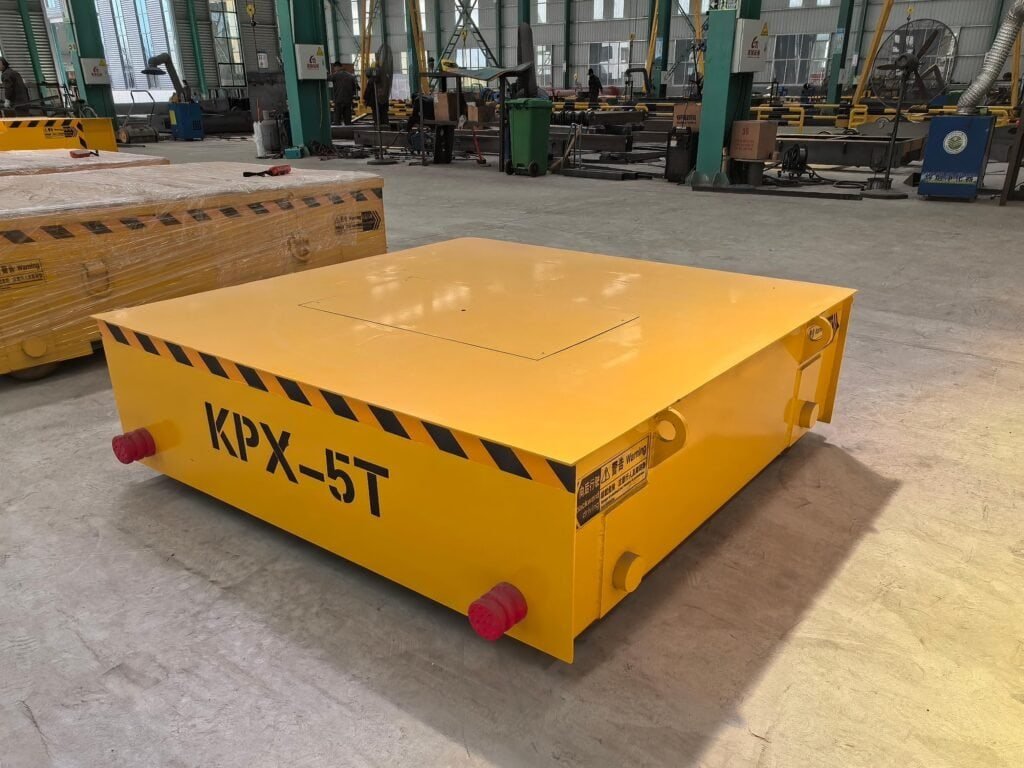
A rail transfer cart operates on fixed tracks and provides stable transportation, while a trackless electric transfer cart moves freely without rails and offers greater flexibility for changing production layouts.
Rail transfer carts are ideal for factories with permanent transportation routes. They provide accurate movement and are suitable for repeated transportation tasks. Because the routes are predetermined, these carts can be an effective choice for production lines that move heavy materials between the same locations throughout the day.
A trackless electric transfer cart is better for flexible environments where routes may change frequently. It can move across different areas without requiring additional rail installation. However, buyers should consider floor conditions, steering requirements, turning space, and traffic management. The choice depends on factory layout, transportation frequency, load requirements, and future expansion plans. Comparing these factors helps businesses select a solution that matches both current operations and long-term production goals.
How Much Weight Can an Electric Transfer Cart Carry?
Load capacity is one of the first technical questions buyers ask because industrial transportation requirements vary significantly.
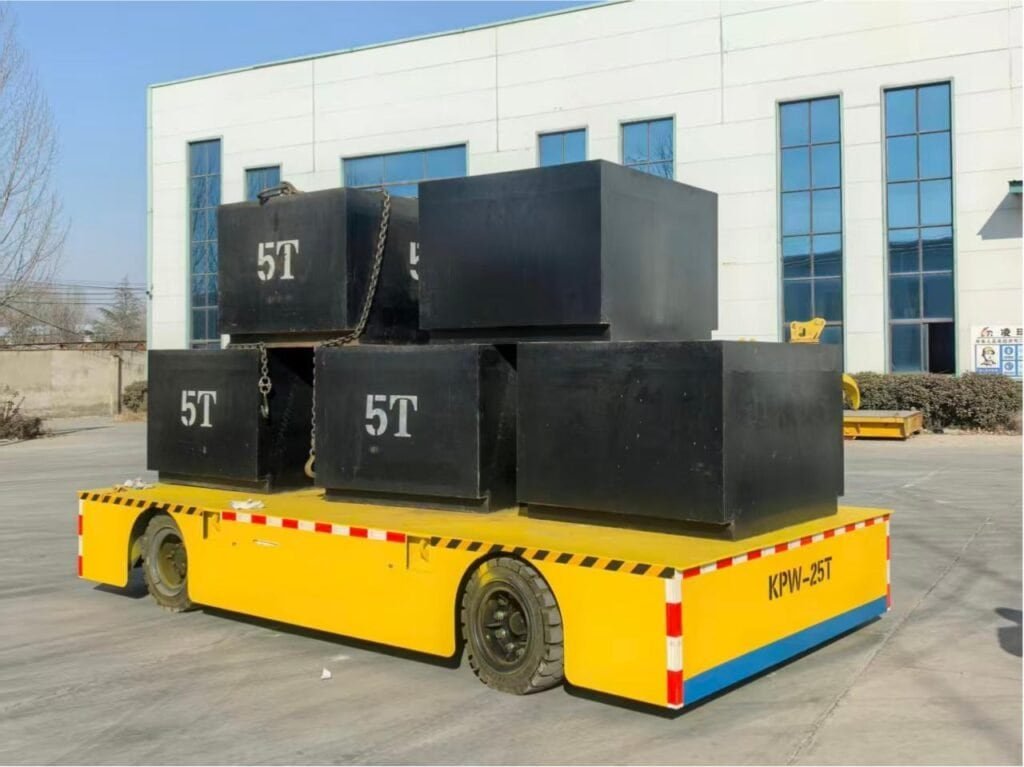
An electric transfer cart can be customized for different load capacities, from several tons to hundreds of tons, depending on customer requirements and industrial applications.
The carrying capacity depends on factors such as frame structure, motor power, wheel design, battery system, and working environment. A cart designed to carry steel coils may require a different platform structure from one used to transport machinery parts or industrial molds. For this reason, load capacity should always be evaluated alongside the type and dimensions of the material being transported.
Professional manufacturers can design solutions for steel plants, shipyards, warehouses, and construction projects. Before purchasing, customers should provide detailed information about load weight, transportation distance, operating frequency, and floor conditions. Buyers should also explain whether the cart will carry concentrated loads or distribute the weight across the platform. Providing accurate technical details helps the manufacturer recommend a suitable design and avoid unnecessary costs or performance problems.
What Safety Features Should an Electric Transfer Cart Have?
Safety is a critical concern in industrial environments because heavy equipment transportation involves potential risks.
A safe electric transfer cart should include emergency stop systems, warning alarms, protective sensors, reliable braking systems, and stable construction to protect operators and materials.
Advanced safety features help prevent accidents during daily operation. Remote control systems allow operators to maintain a safer distance from heavy loads. Emergency stop buttons provide a way to stop the cart when an unexpected situation occurs, while audible and visual warning devices can alert nearby personnel when the equipment is moving.
Manufacturers can also add customized safety functions according to workplace requirements, including automatic stopping systems and obstacle detection technology. Buyers should evaluate the operating environment, pedestrian access, transportation routes, and visibility before choosing the required safety configuration. It is also important to train operators and establish clear operating procedures. A combination of suitable equipment, regular inspections, and effective safety management helps reduce risks during industrial material handling.
How Long Does an Electric Transfer Cart Last and What Maintenance Is Required?
Long service life and simple maintenance are important factors when companies evaluate the total value of industrial equipment.
A high-quality electric transfer cart can provide years of reliable operation with regular inspection, battery maintenance, component checks, and proper usage according to manufacturer guidelines.
The lifespan of an electric transfer system depends on operating conditions, maintenance frequency, and product quality. Carts used in demanding environments may require more frequent inspections than those operating under lighter loads or in cleaner indoor conditions. Following the manufacturer’s maintenance schedule helps keep the equipment working reliably and can reduce the likelihood of unexpected breakdowns.
Regular inspections help identify potential problems early. Checking batteries, motors, wheels, brakes, and electrical systems can prevent unexpected downtime. For international customers, choosing a manufacturer that provides technical support and spare parts services is essential for long-term operation. Boheng focuses on delivering customized electric transportation solutions for global markets, helping customers achieve reliable performance and stable business growth. By investing in proper maintenance, businesses can protect their equipment investment and support more consistent production.
Summary
An electric transfer cart offers safe, efficient, and cost-effective material handling solutions. Choosing the right model and supplier helps businesses improve productivity and long-term value.